History of Seville Cathedral
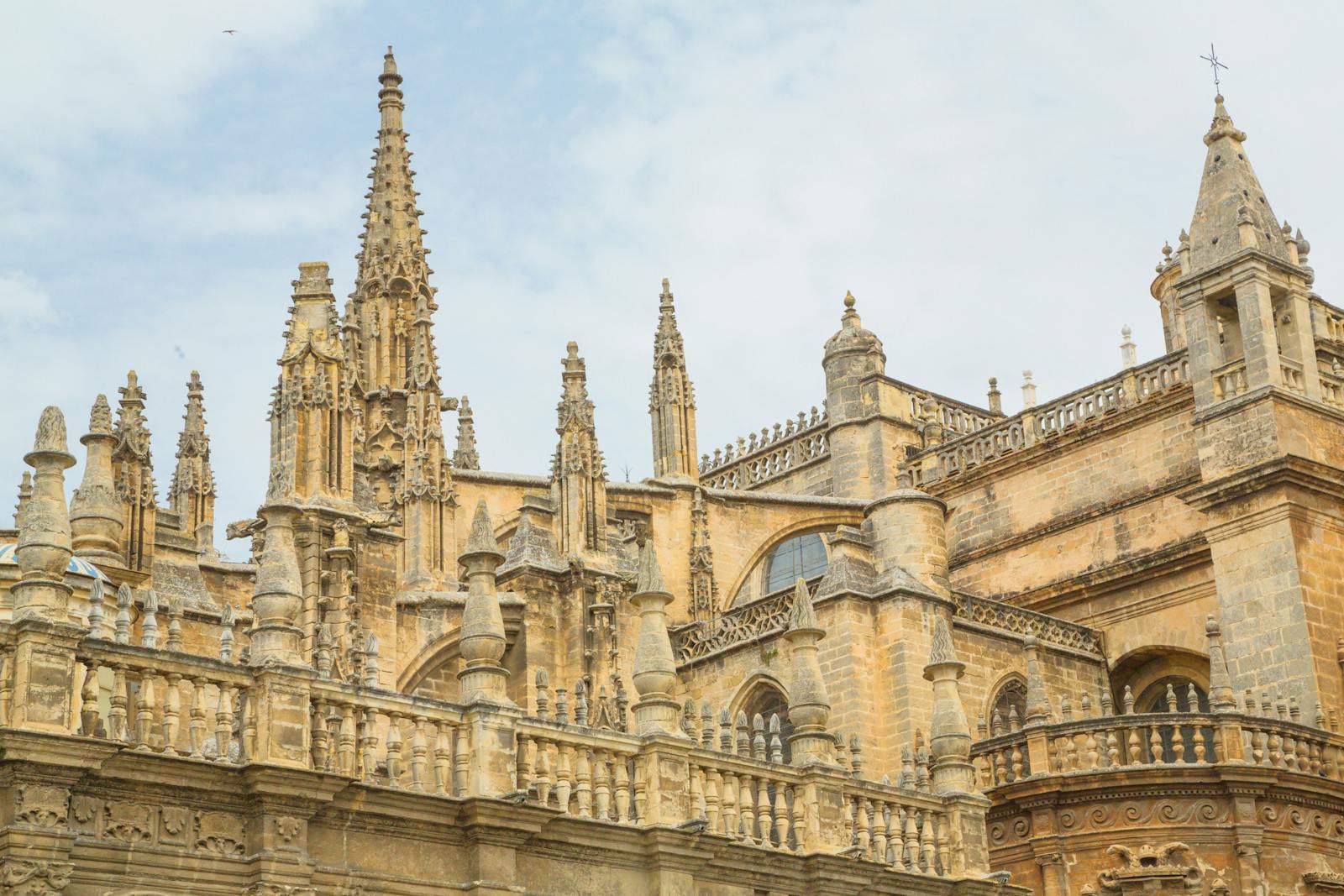
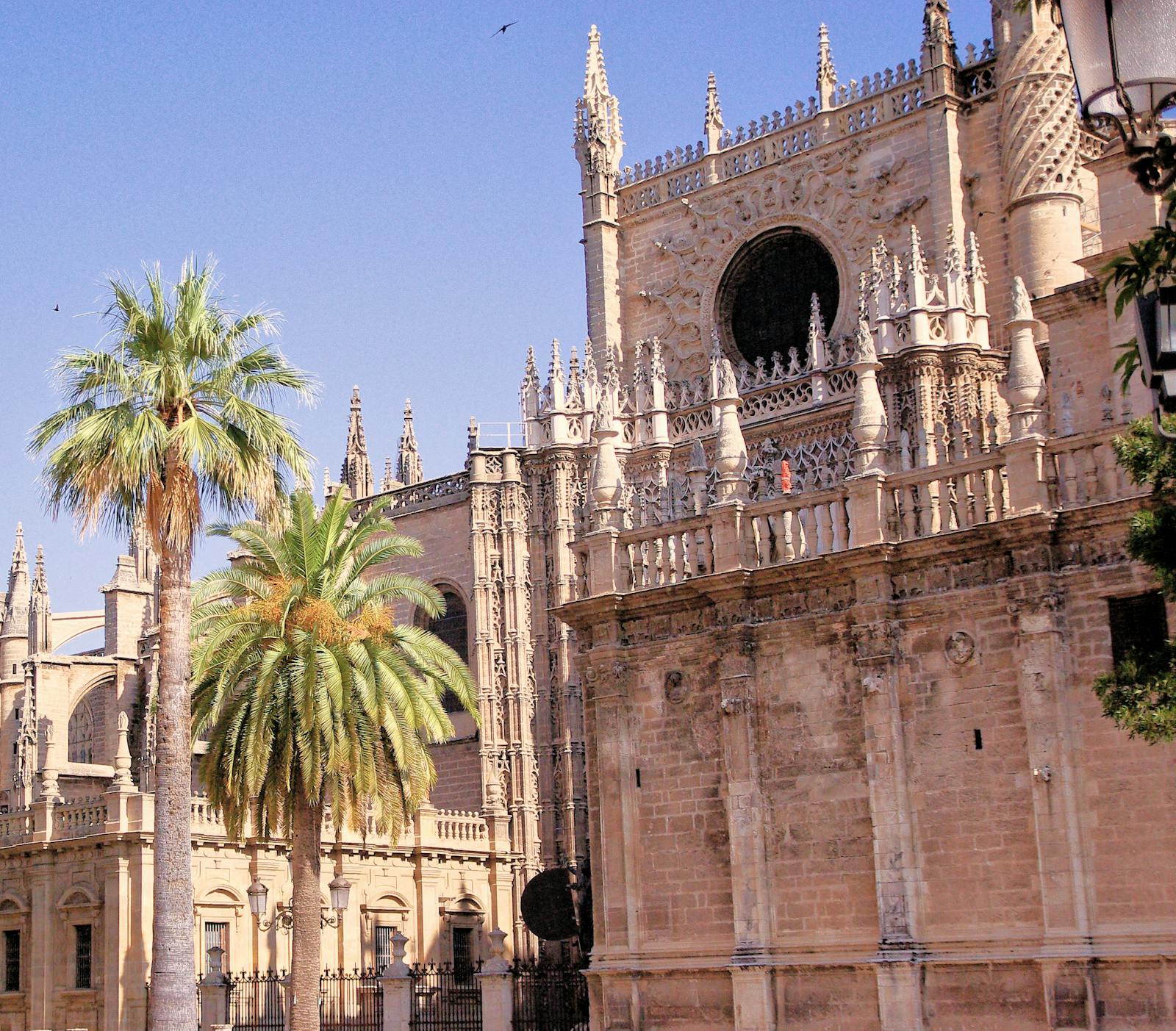
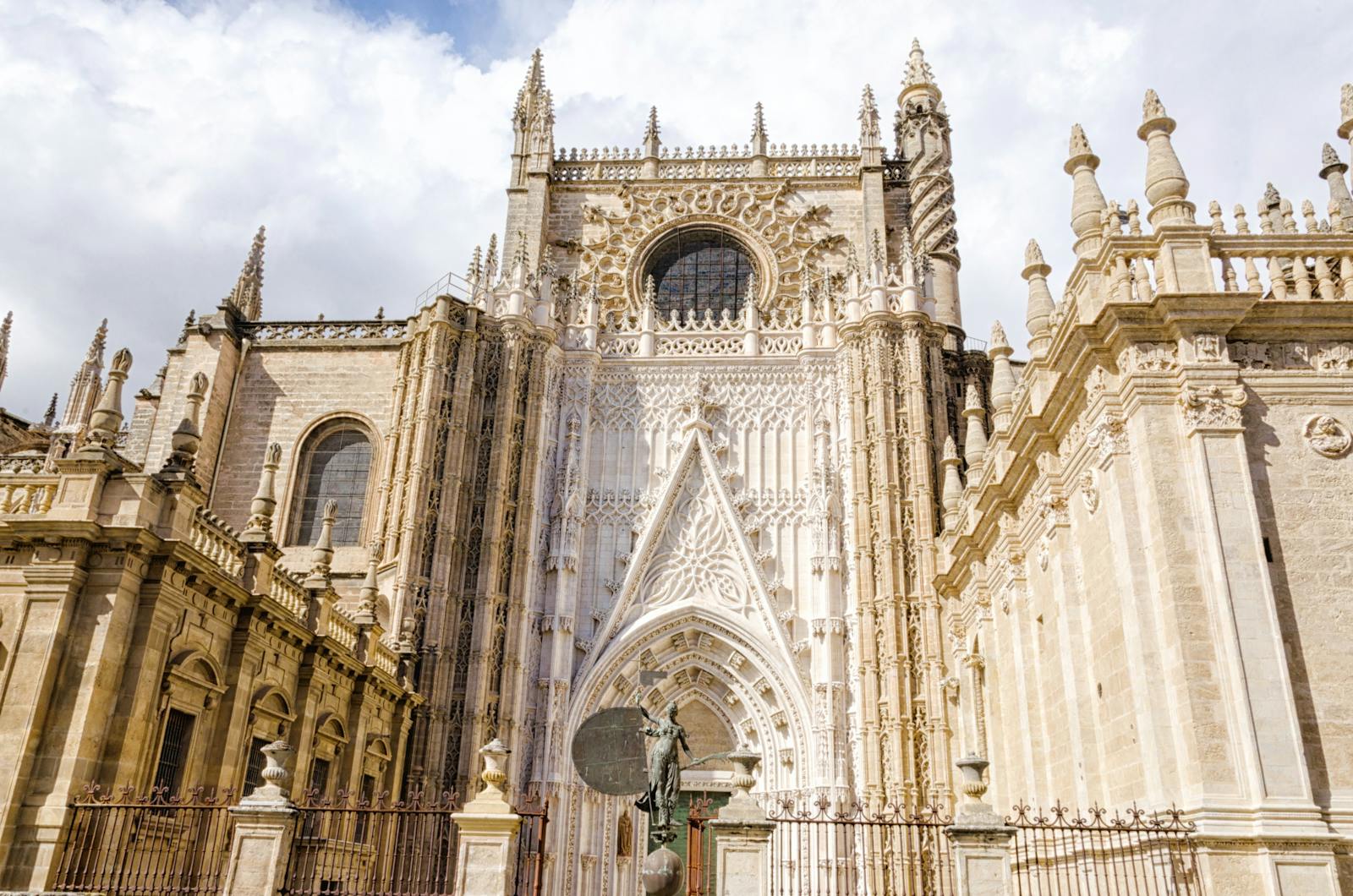
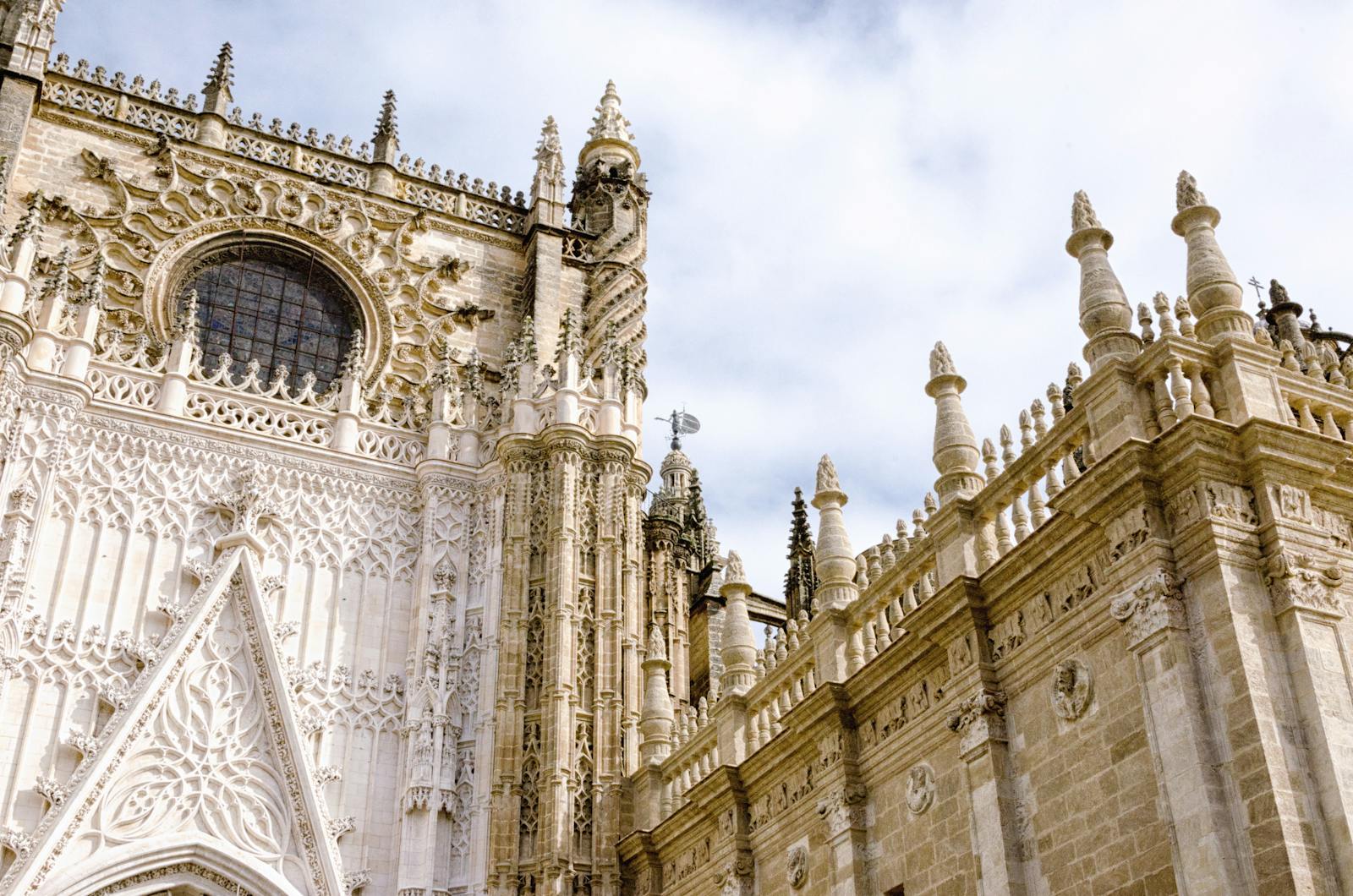
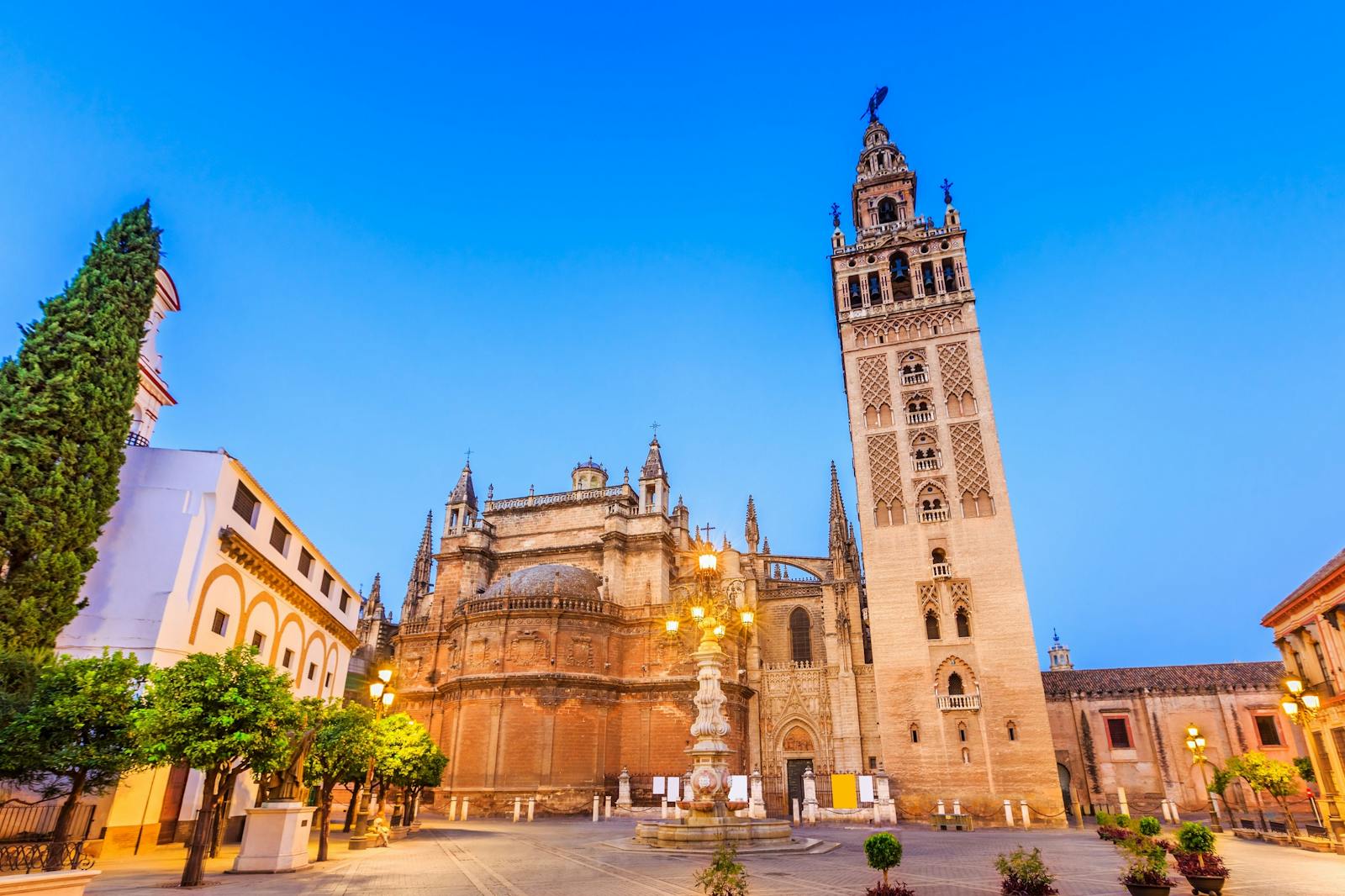
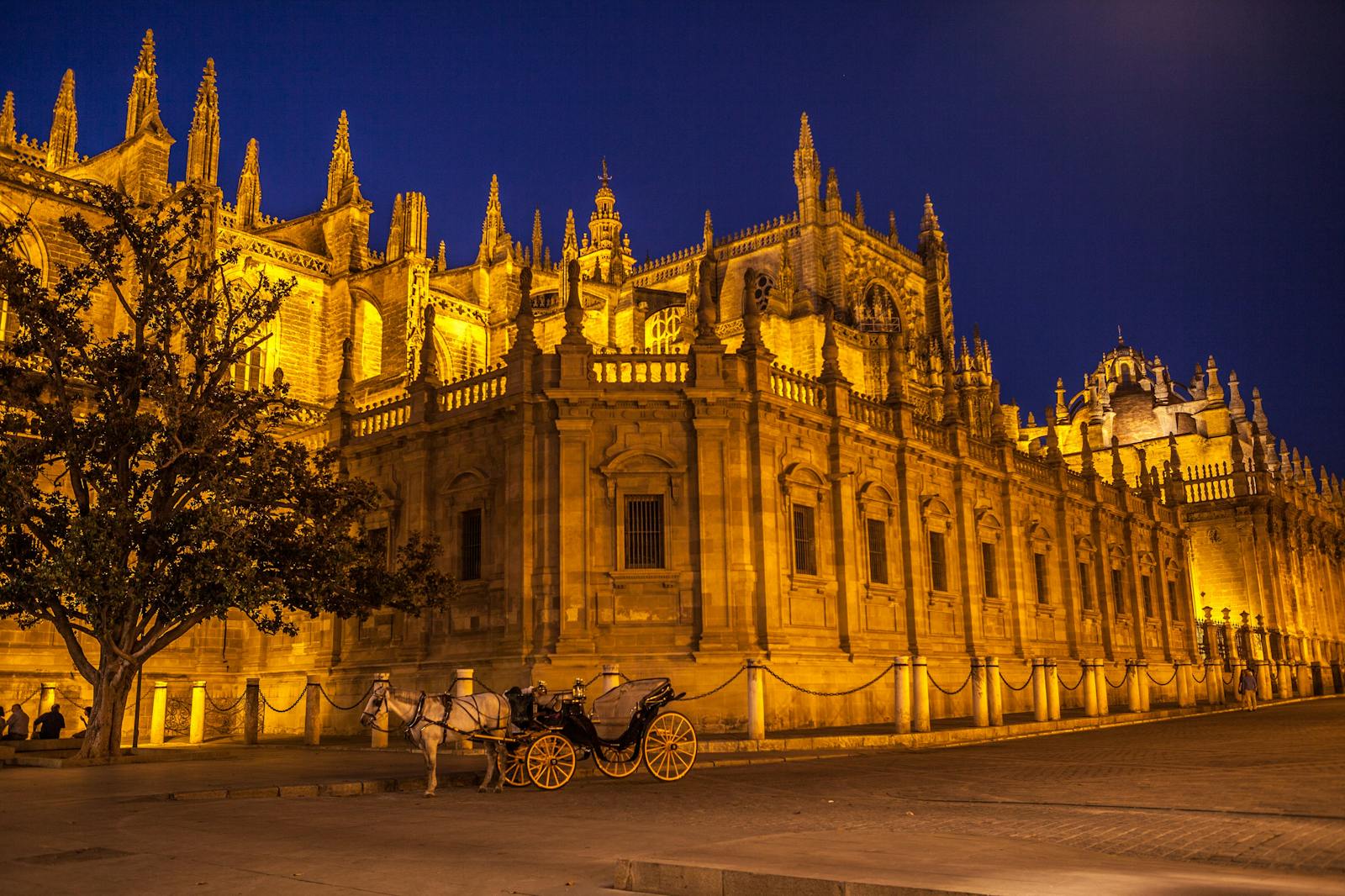
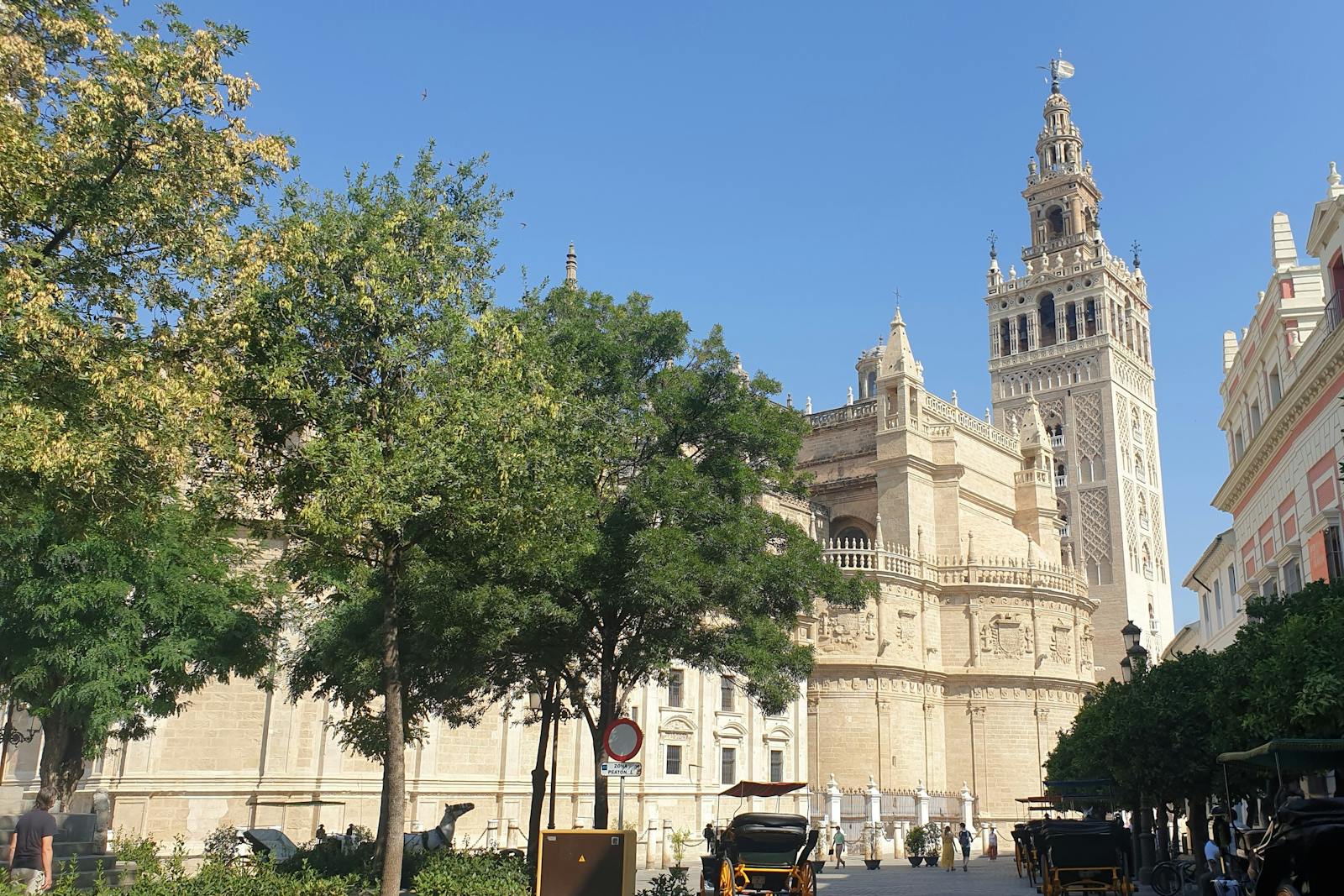
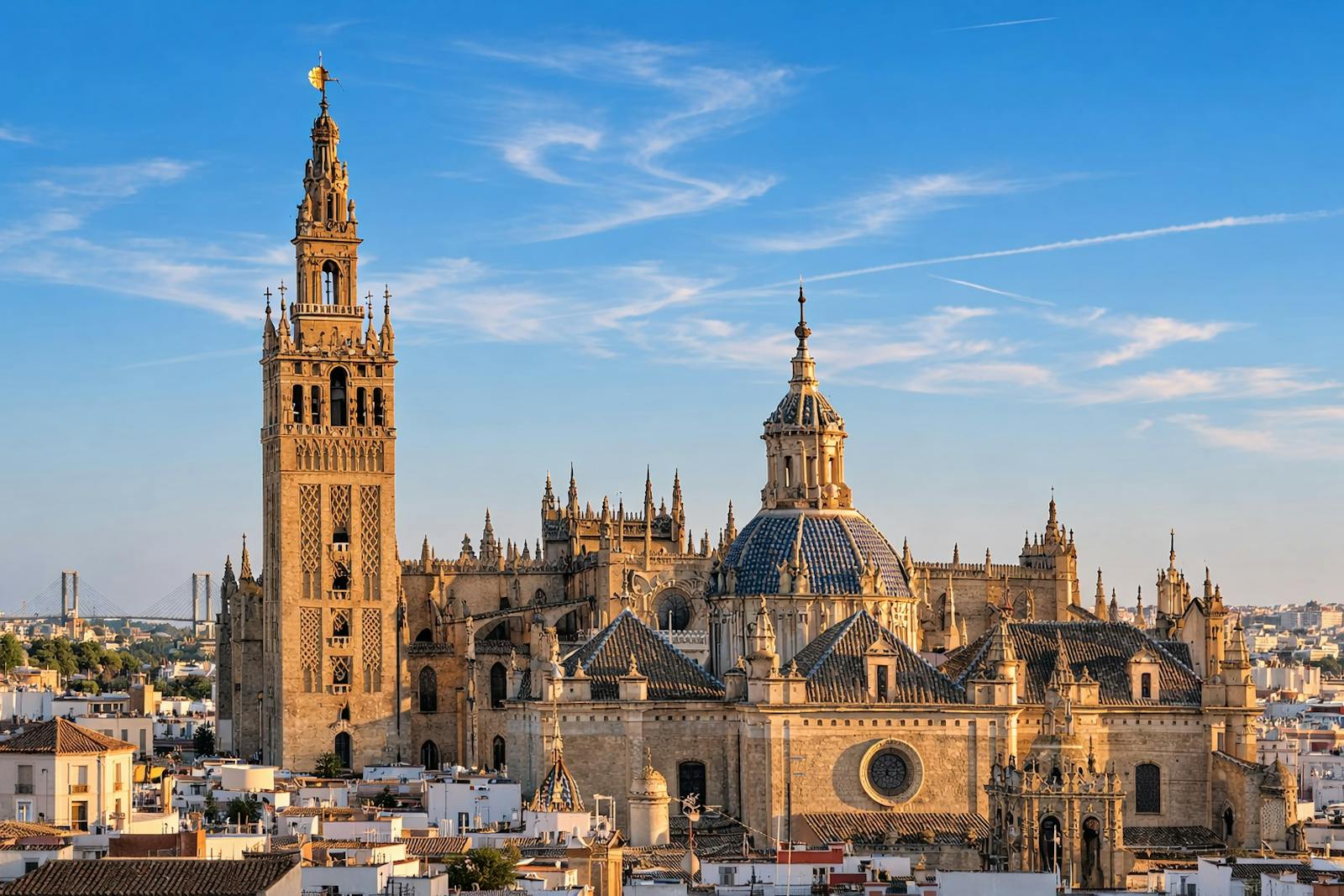
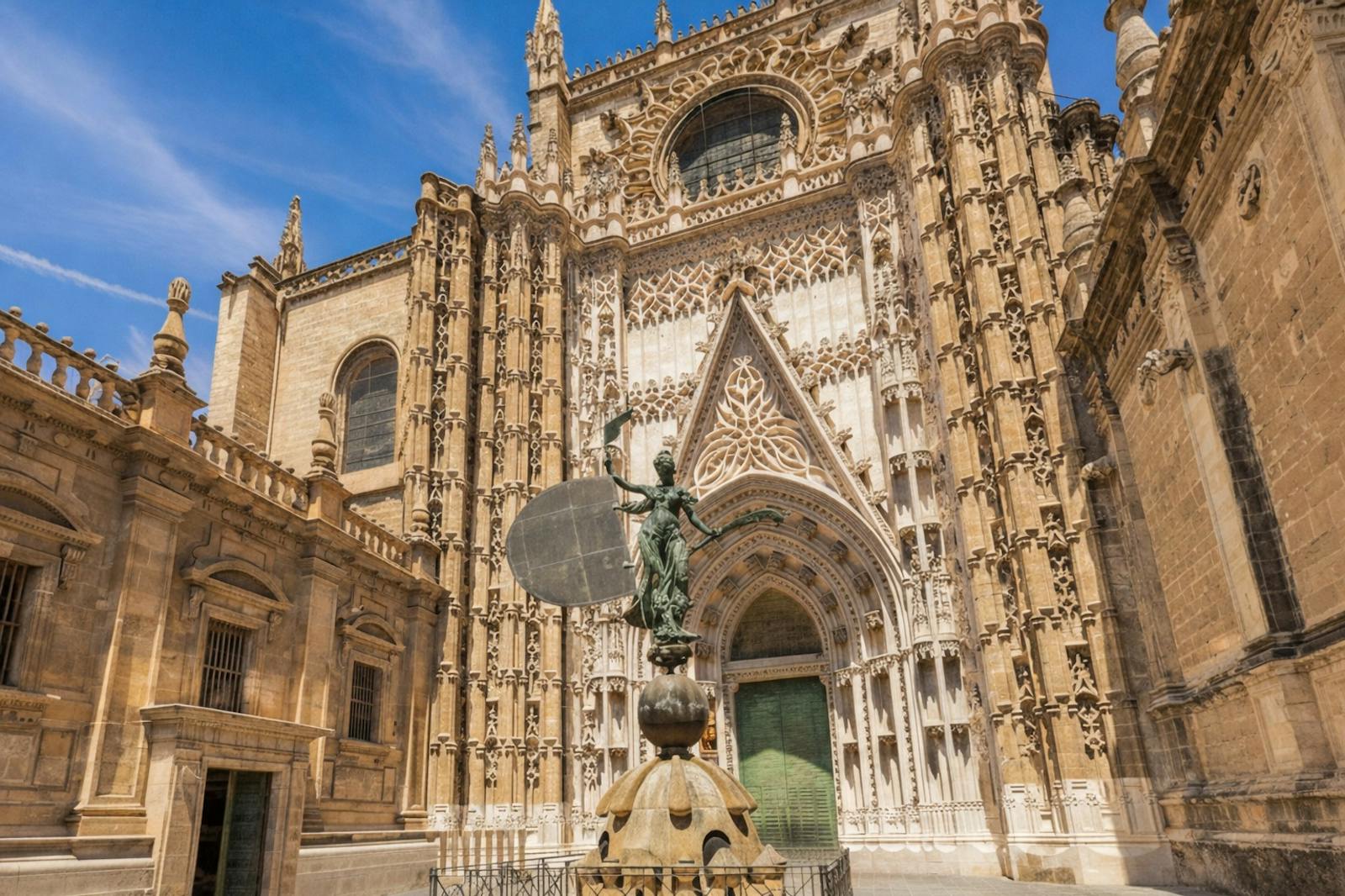
Construction began in 1402 on the ruins of an Almohad mosque to symbolize post-Reconquista prosperity. Architect Alonso Martinez wanted a temple so large that visitors would think the builders were mad. This colossal ambition transformed Seville's urban landscape for nearly a century, mobilizing thousands of workers and artisans from all over Spain to erect this prestigious monument dedicated to Our Lady.
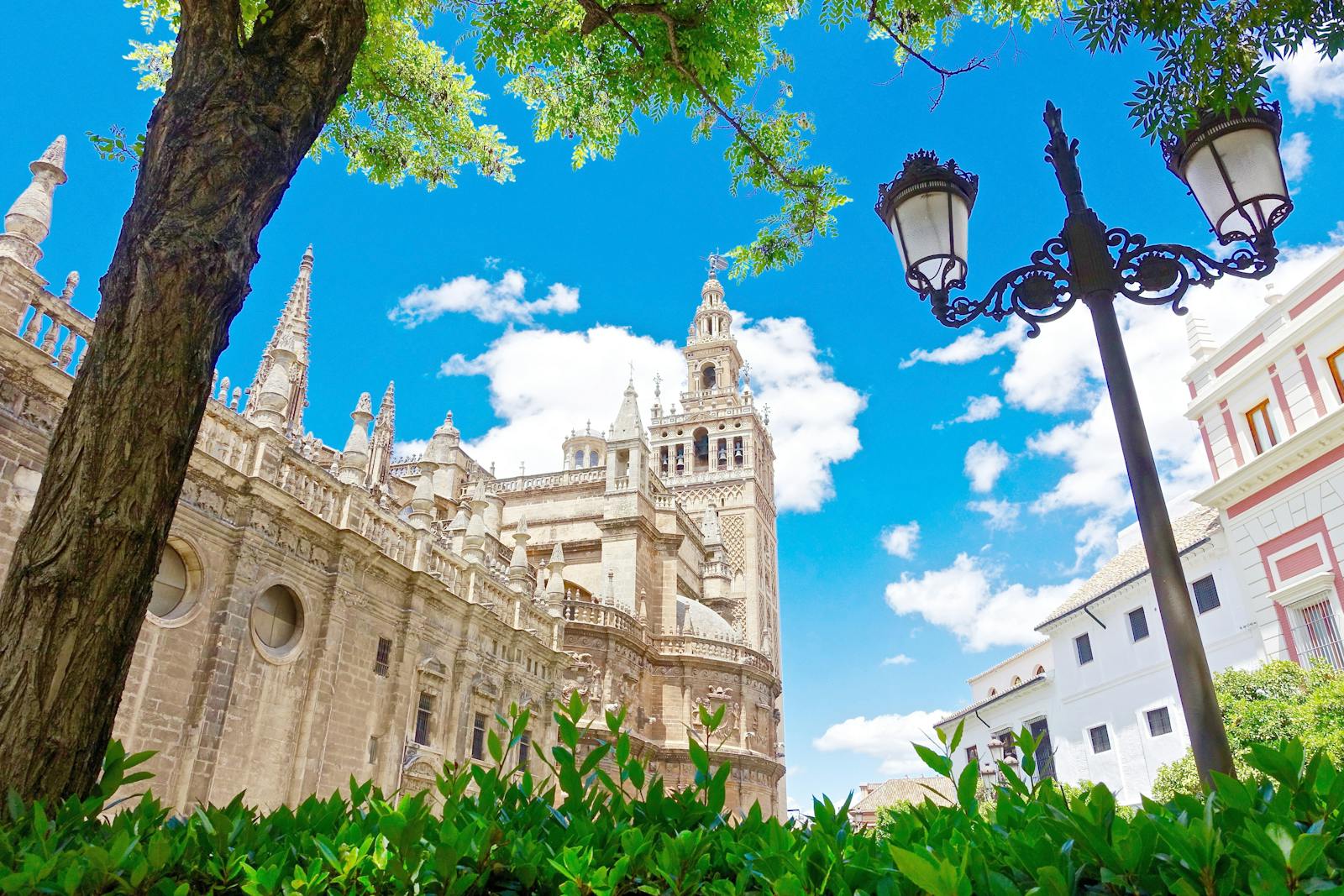
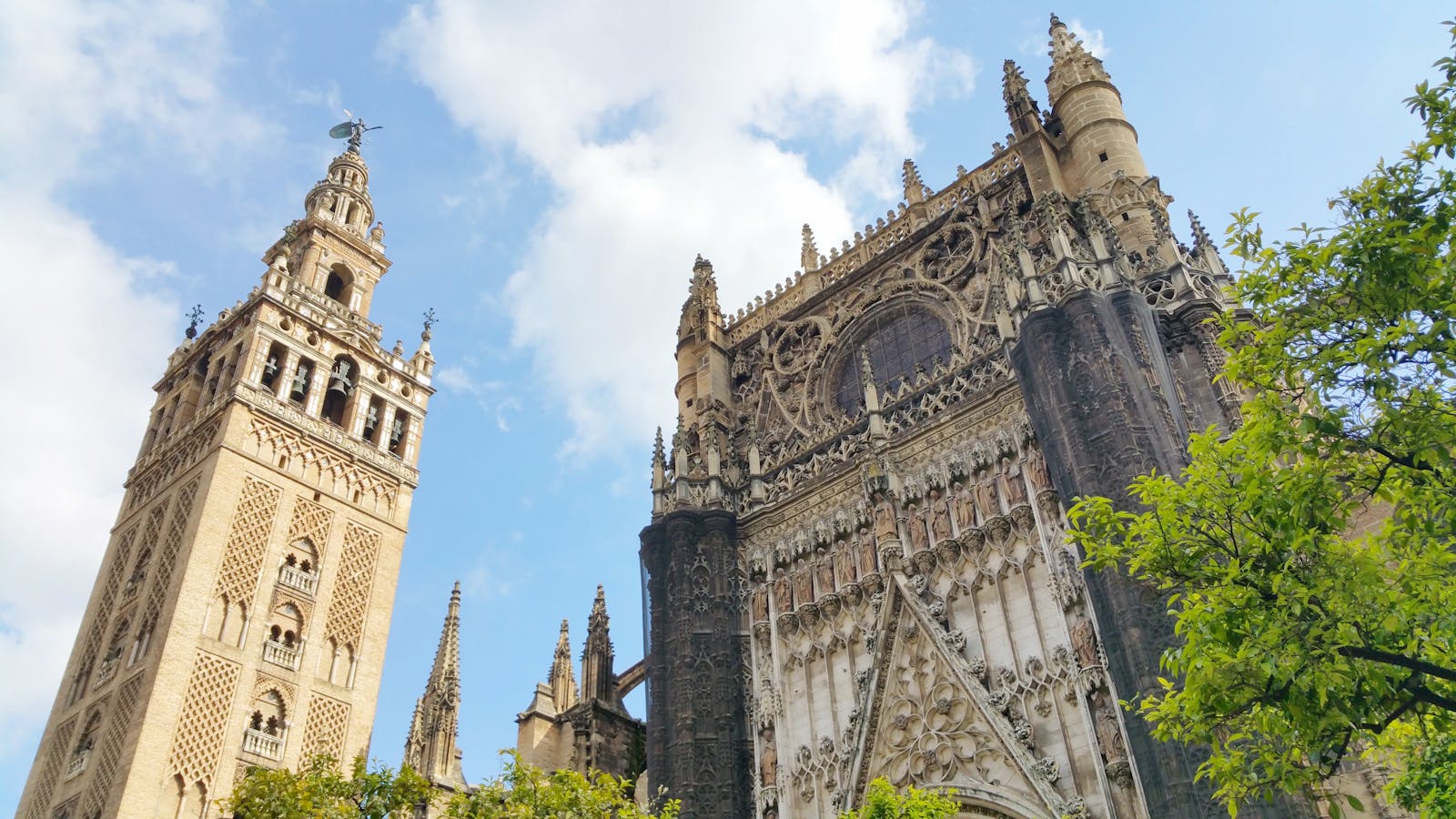
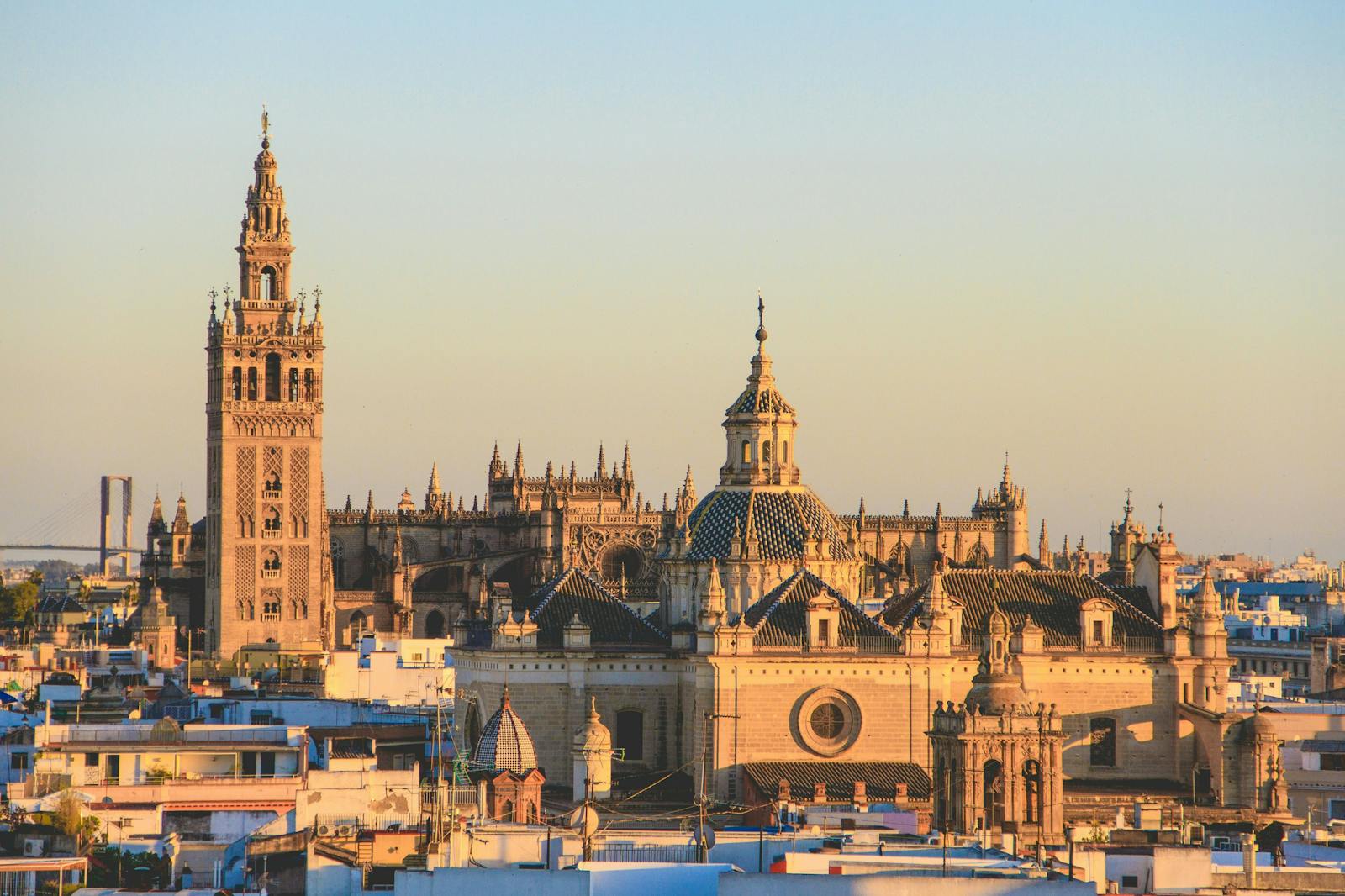
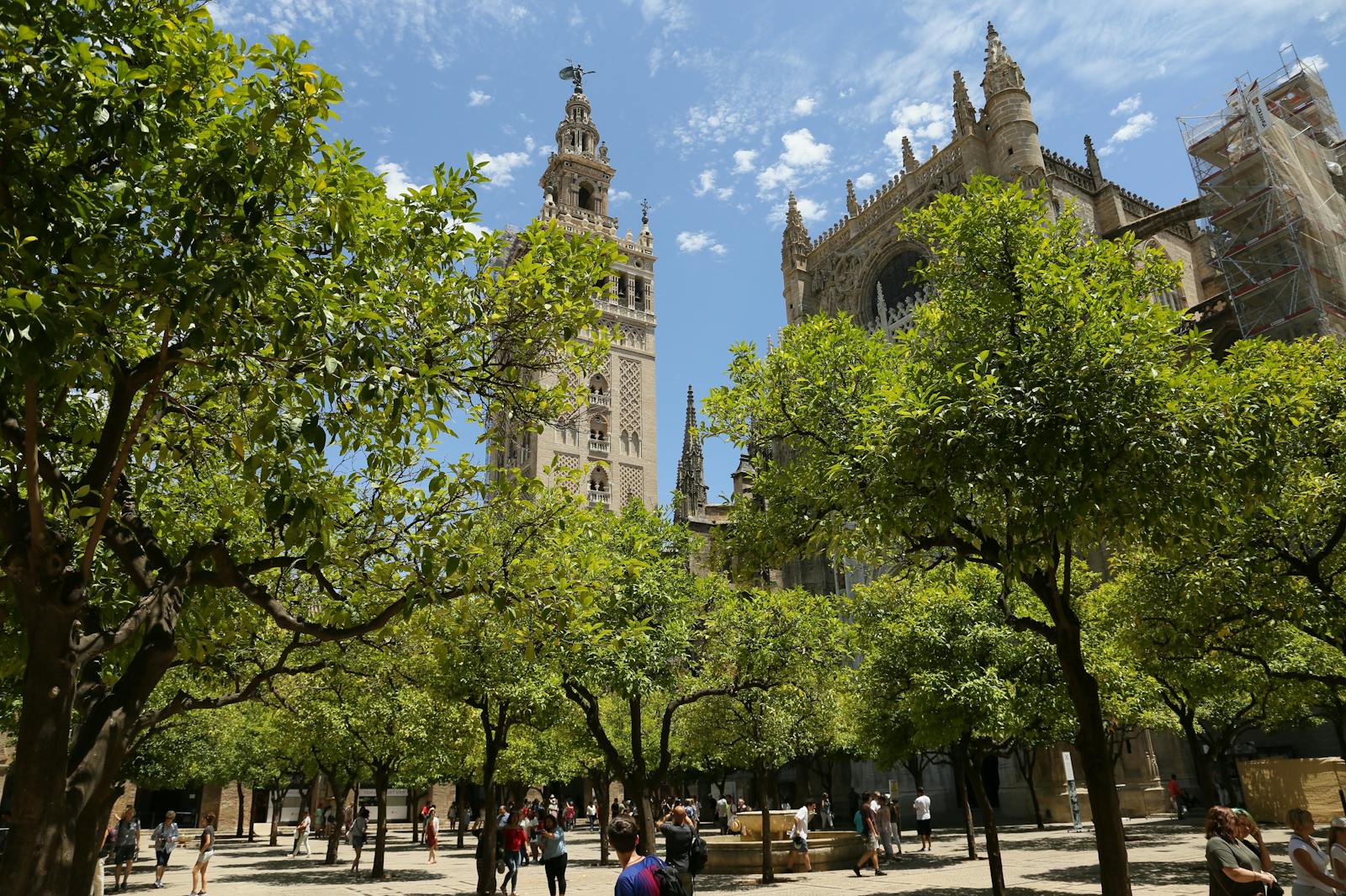
The old Hispano-Moorish minaret was reused as is but transformed into a bell tower, becoming the famous La Giralda. It has no traditional stairs but an inclined ramp initially designed to allow horses to ascend. This unique architectural element testifies to the pragmatism of the builders who integrated Moorish heritage into their new Christian work, thus creating a strong identity symbol for the Andalusian city since 1401.
Ferdinand III the Saint and Alfonso X the Wise rest in the royal chapel, reminding us of the region's dynastic origins. Their presence highlights the political and religious importance of this cathedral from its early years. These royal tombs still attract many historians and tourists today who wish to understand the close links between royal power and the ecclesiastical institution in medieval Spain around 1235.
What to see inside the Cathedral
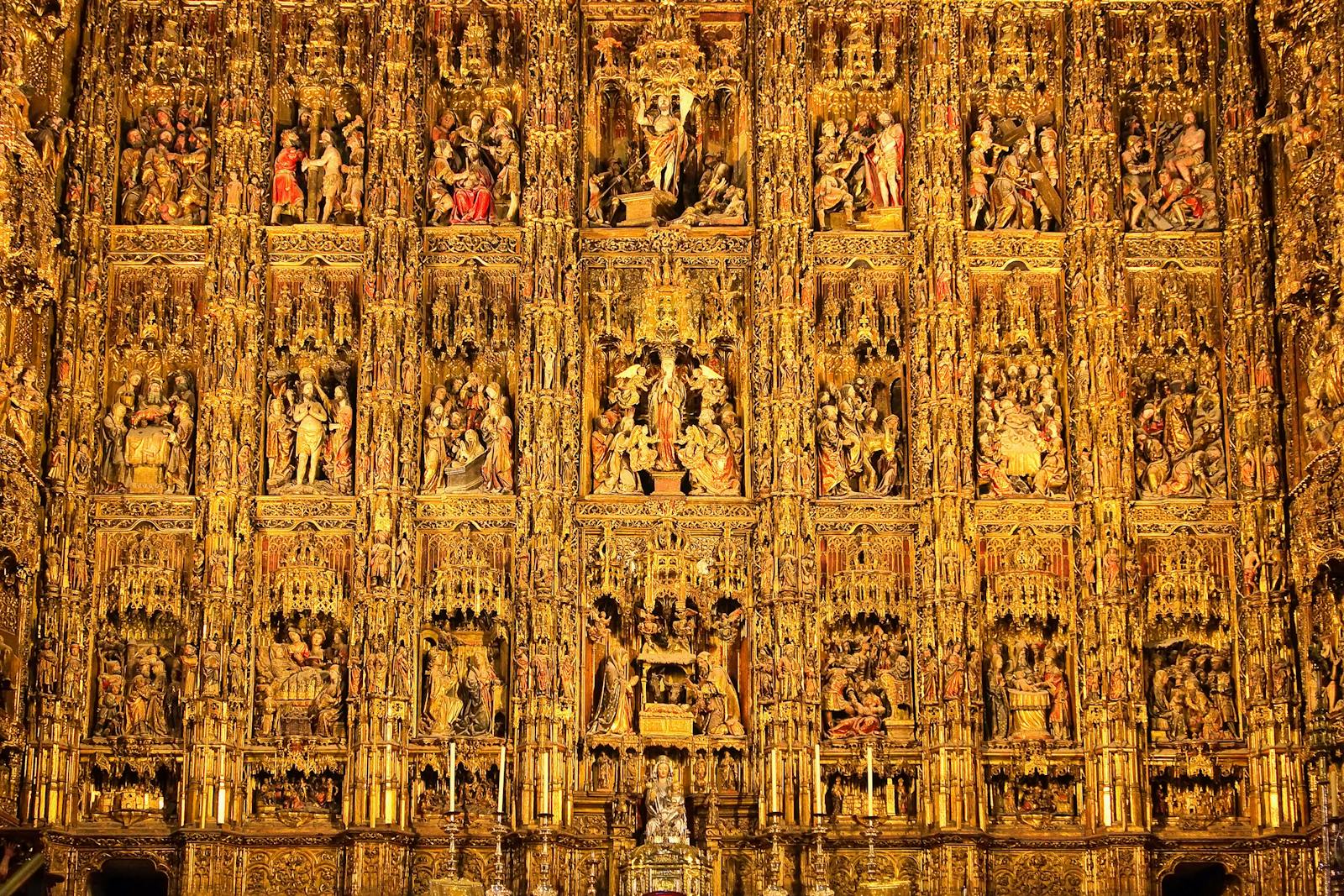
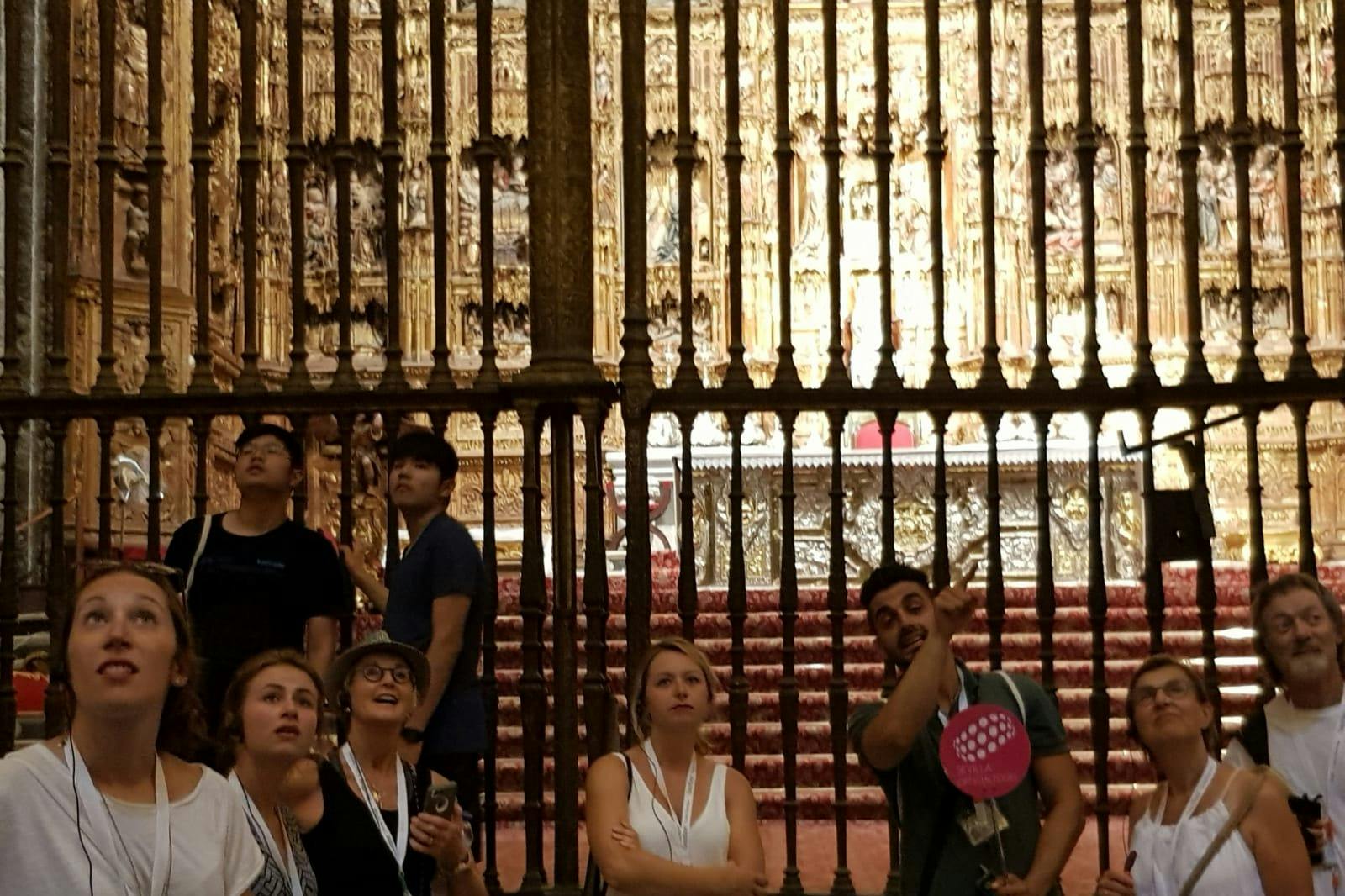
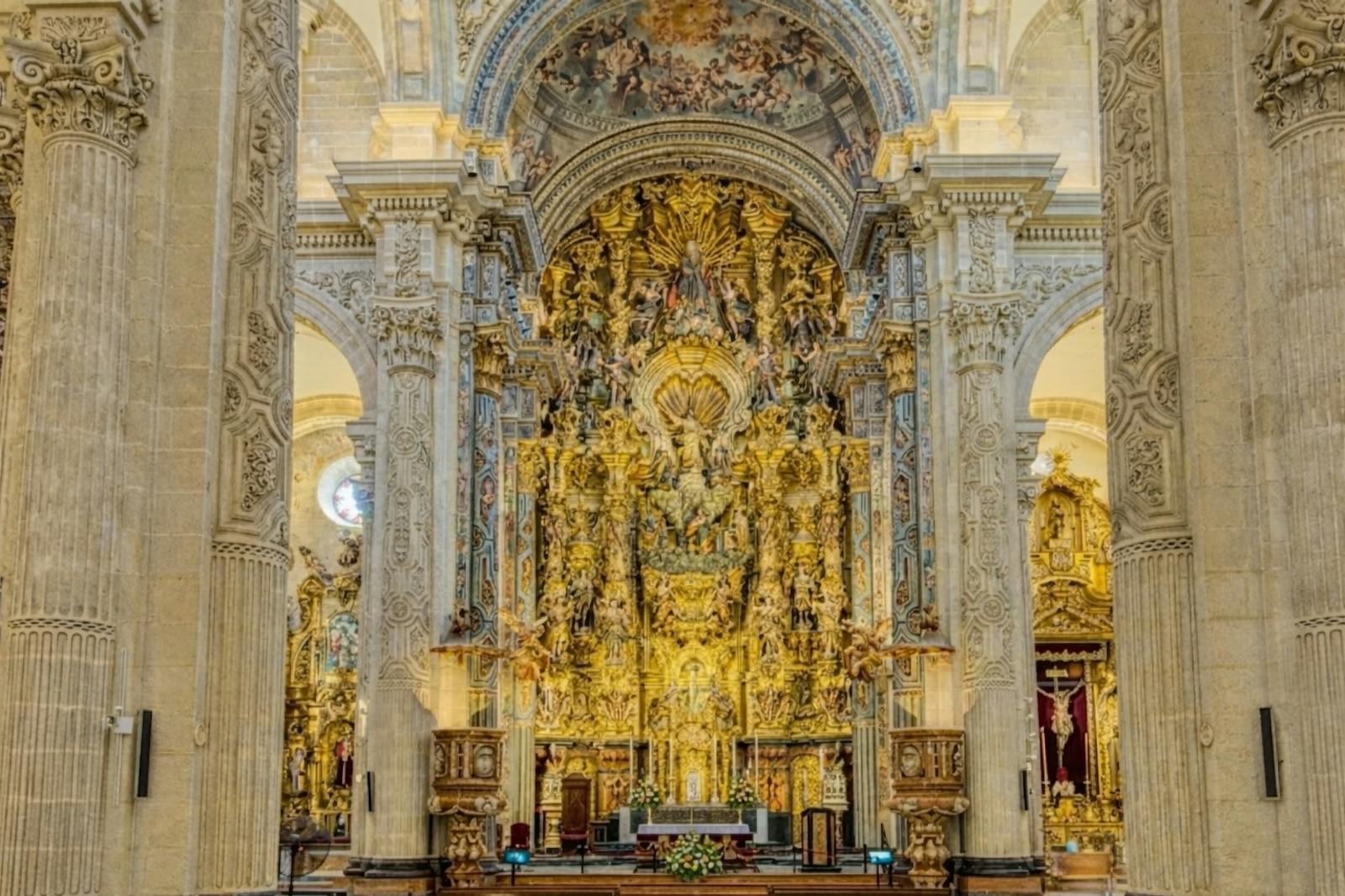
The Pierre Dancart altarpiece in Seville is considered the largest altarpiece in the world with its 45 sculpted panels. This Flamboyant Gothic masterpiece depicts various biblical scenes with exceptional decorative richness. Each panel is a work of art in its own right, requiring hours of attentive observation to appreciate the fineness of details and the technical mastery of the sculptor who devoted his entire life to it under the direction of Pierre Dancart.
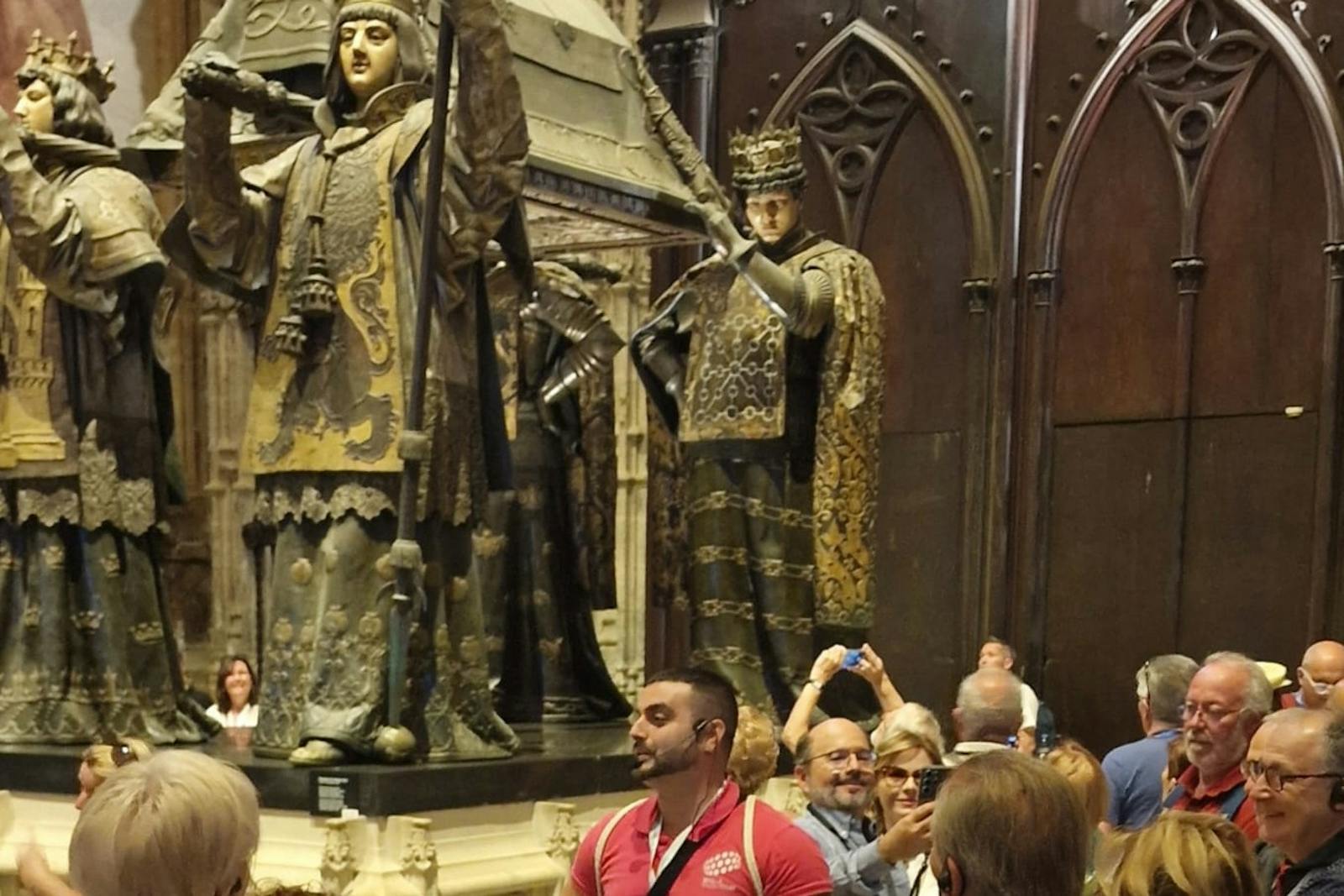
The tomb of Christopher Columbus in Seville is located in the treasury chapel, supported by four statues representing the kingdoms of Spain. This imposing structure symbolically marks the peak of the Spanish colonial empire, of which Seville was the main port. Although controversial regarding the authenticity of the remains, this monument remains essential for understanding the maritime and geographical history of the Age of Discovery.
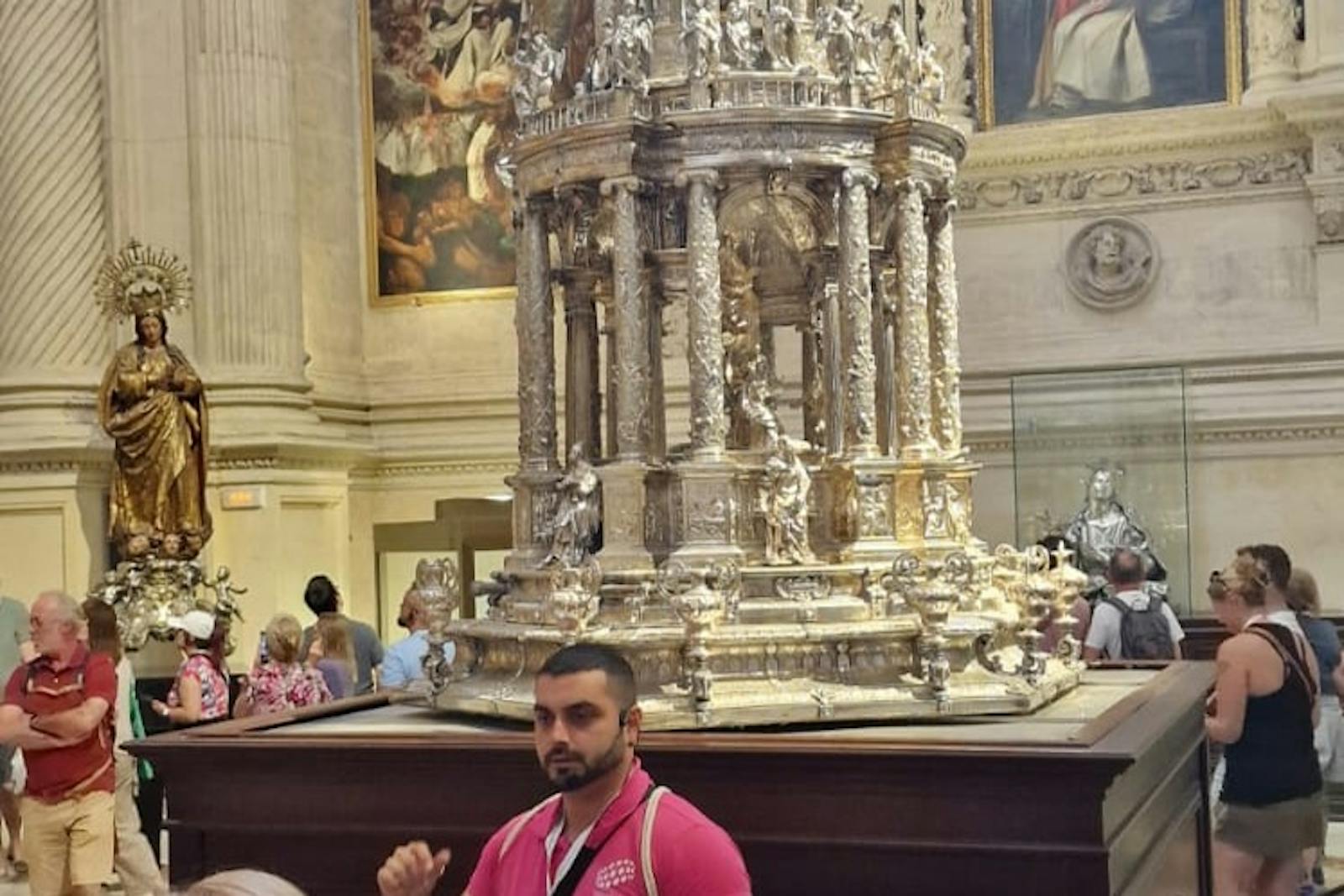
The monumental monstrance housed here is recognized as the largest in the world in the field of religious goldsmithing. Its gigantic size reflects popular devotion and the economic wealth of the city during the 16th century. This liturgical jewel shines under the dim lights of the central nave, attracting the eyes of the faithful and visitors fascinated by the material splendor of the Catholic faith.
Practical tips for visiting
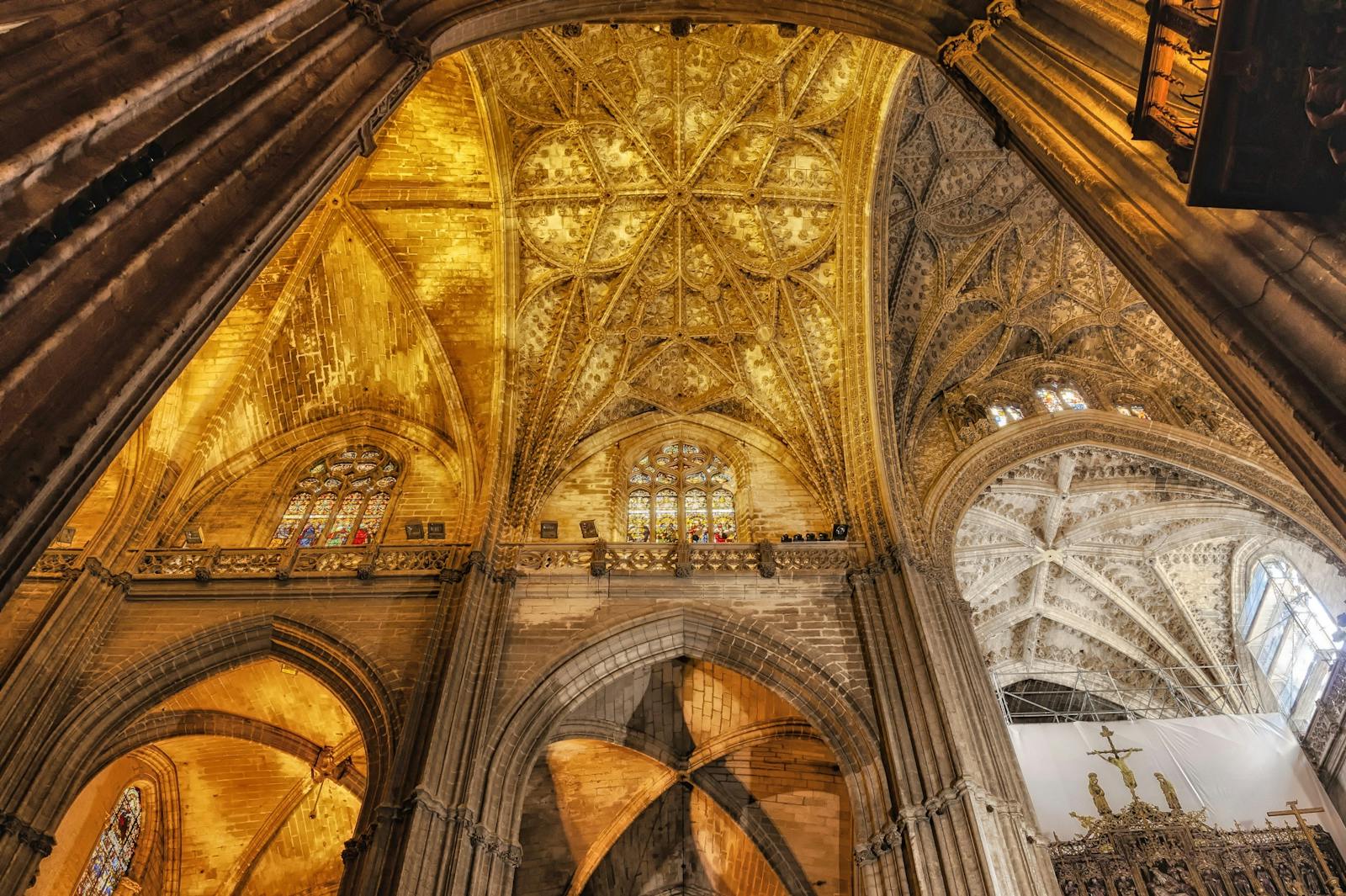
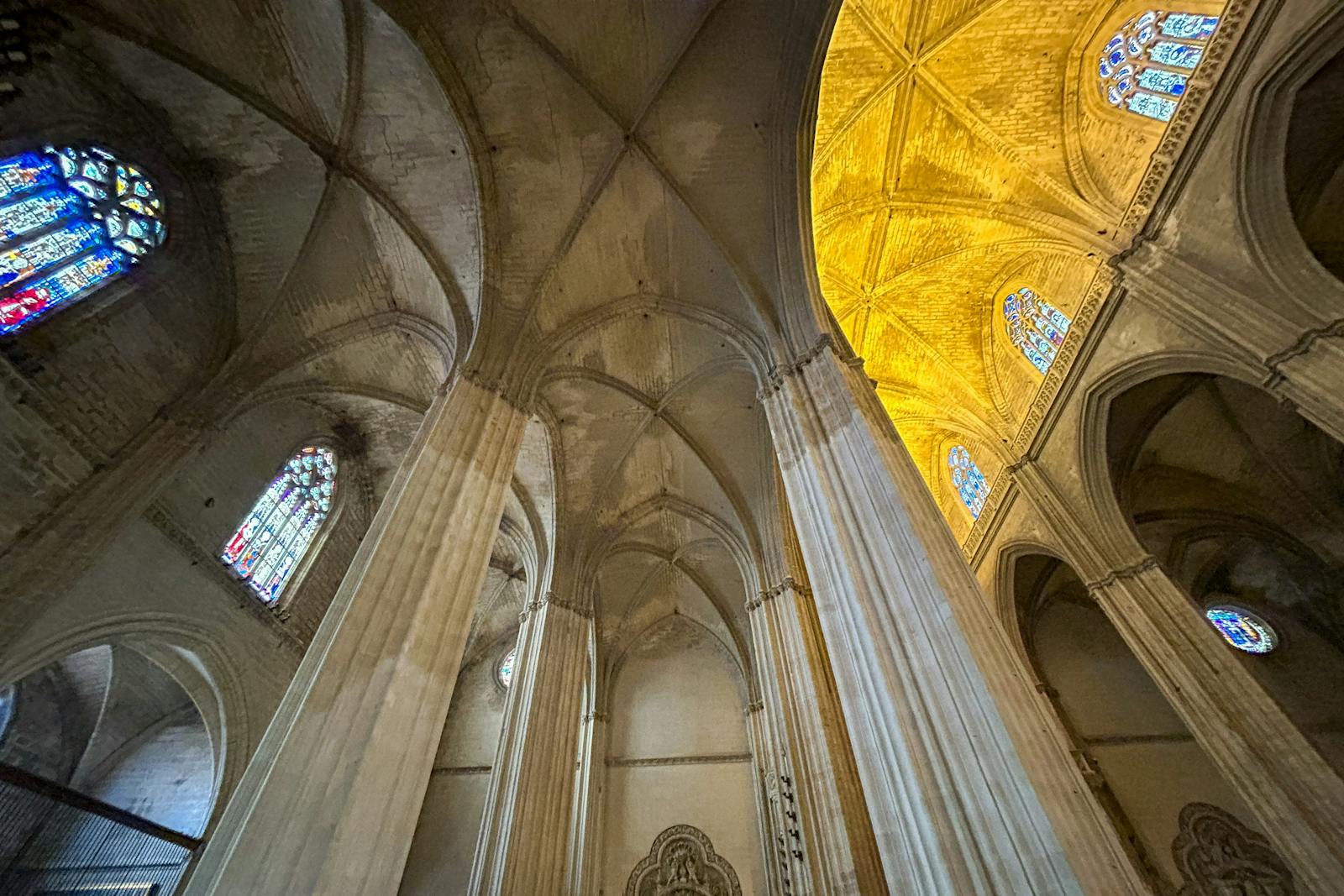
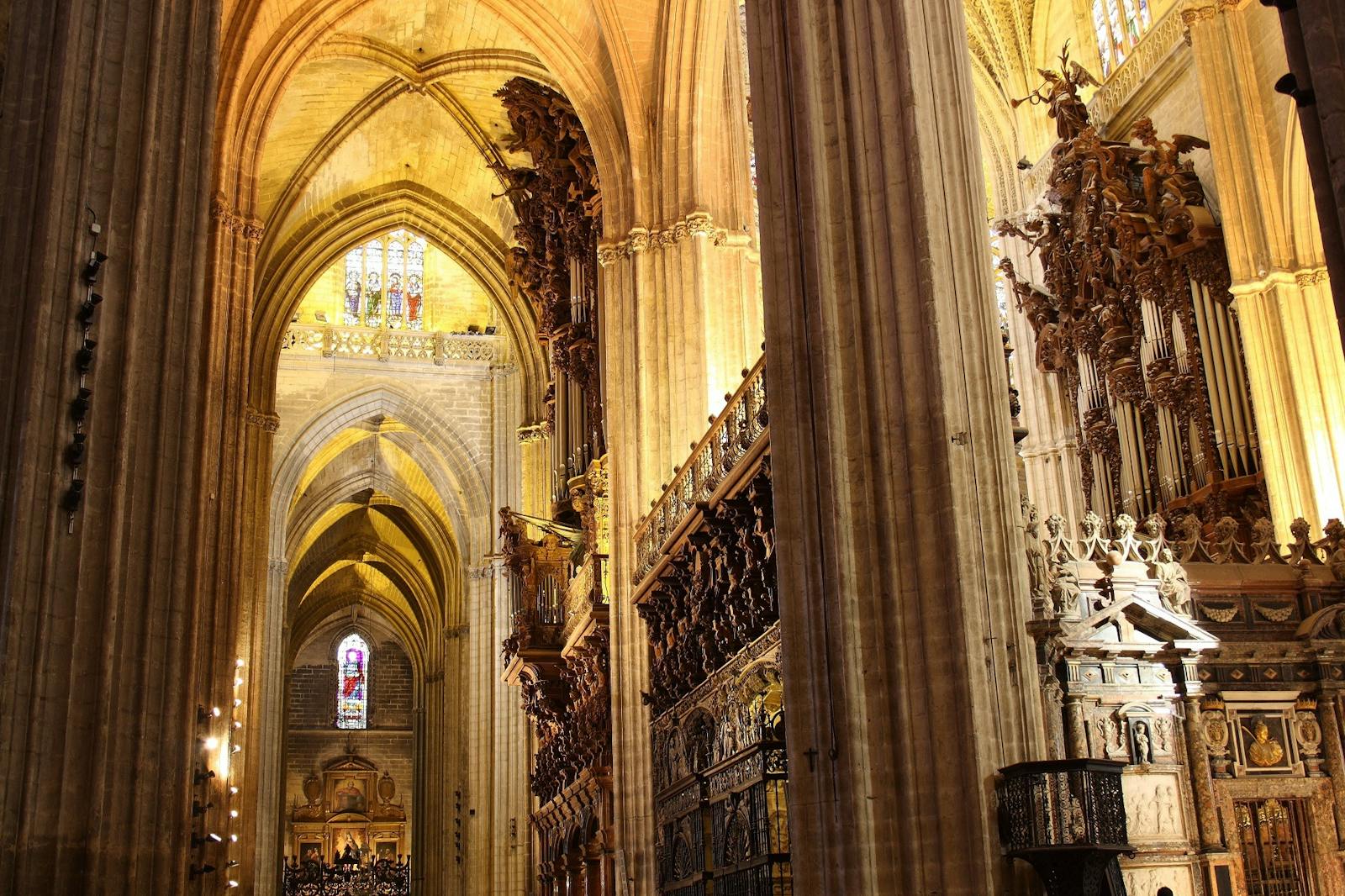
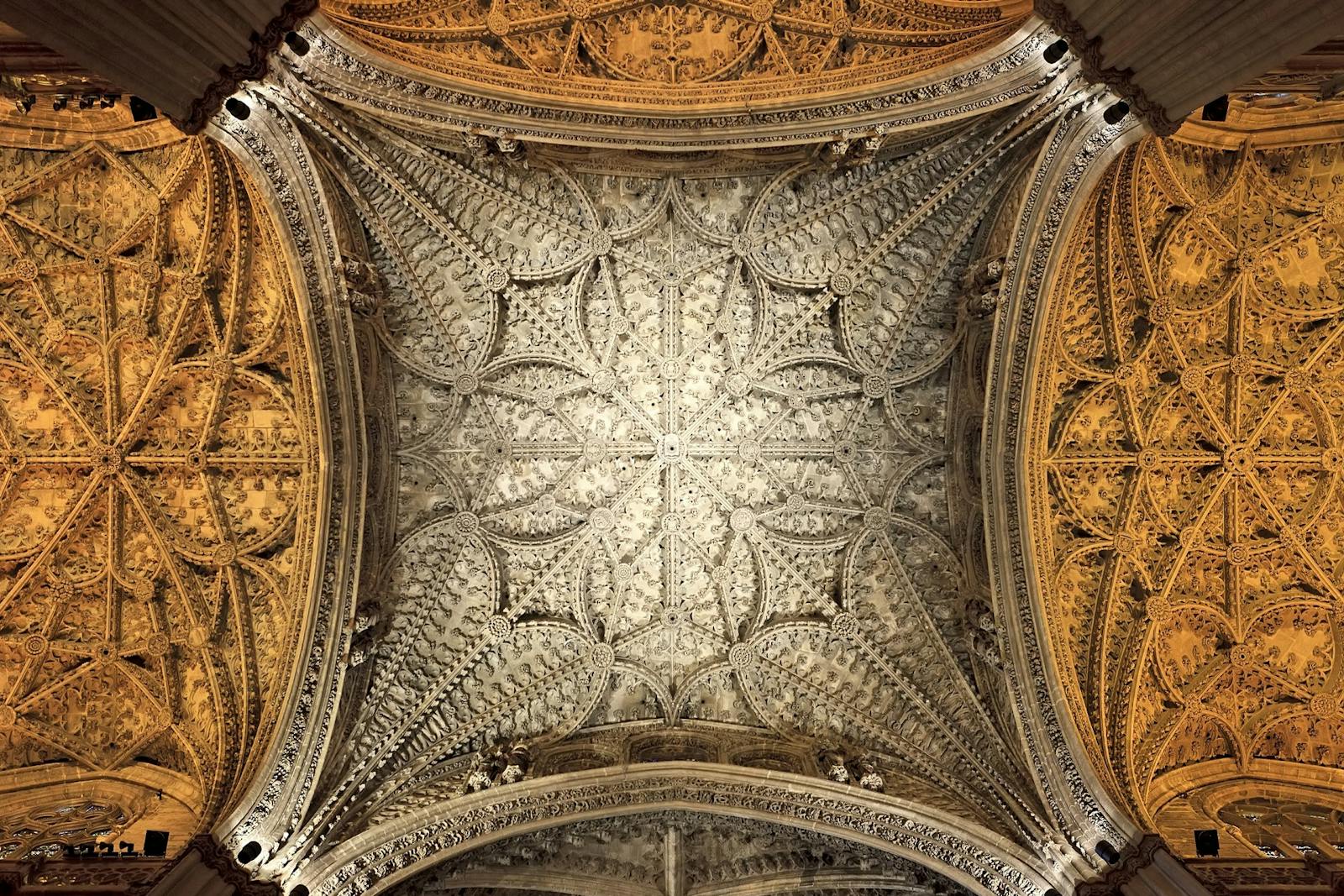
It is highly recommended to check the Seville Cathedral opening hours before your arrival as they vary by season. Generally, openings begin around 10:45 AM and end late afternoon. Arriving early helps avoid the scorching midday heat typical of Andalusia and allows you to enjoy a calmer atmosphere to contemplate the majestic Gothic vaults without distraction.
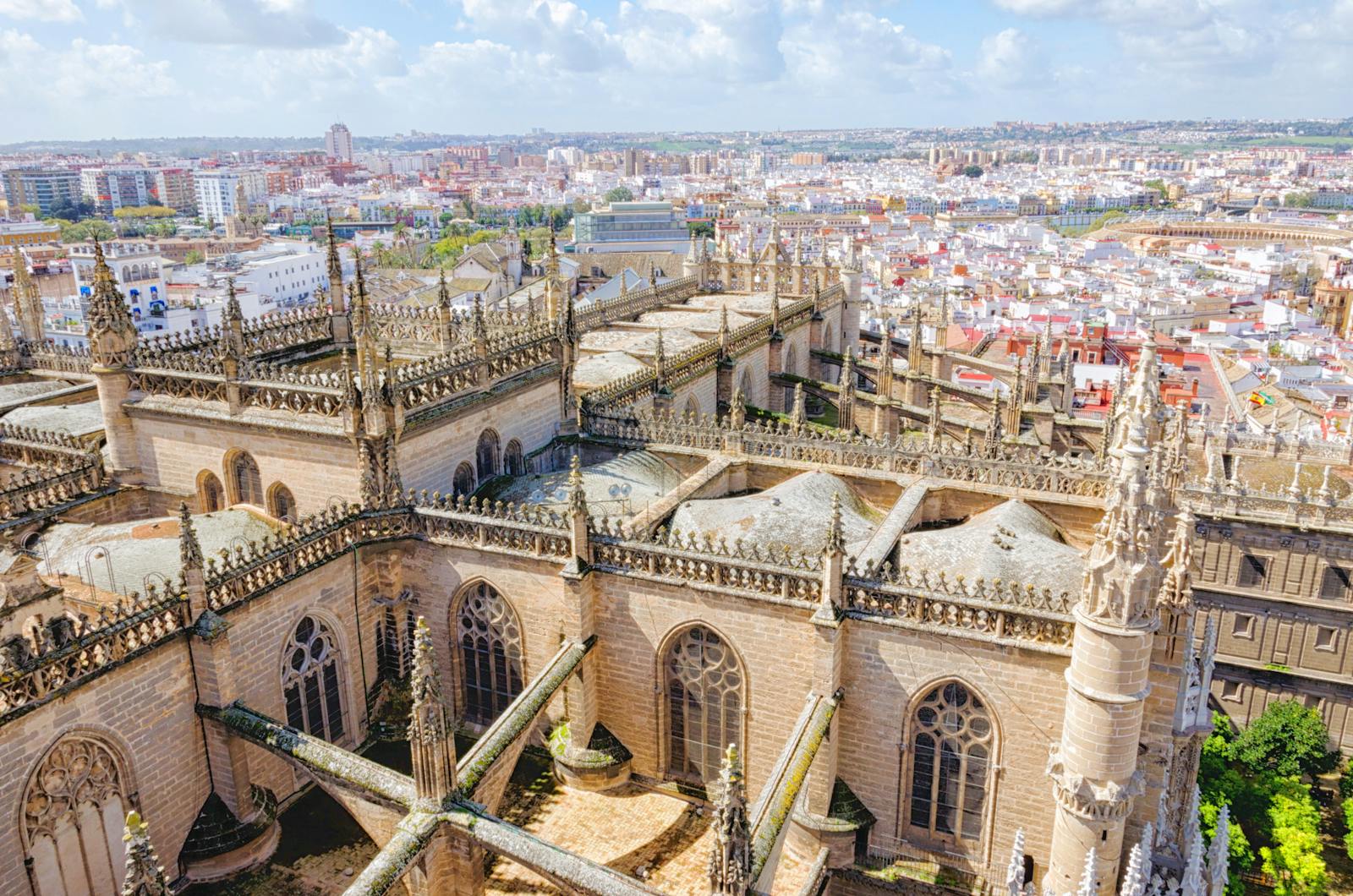
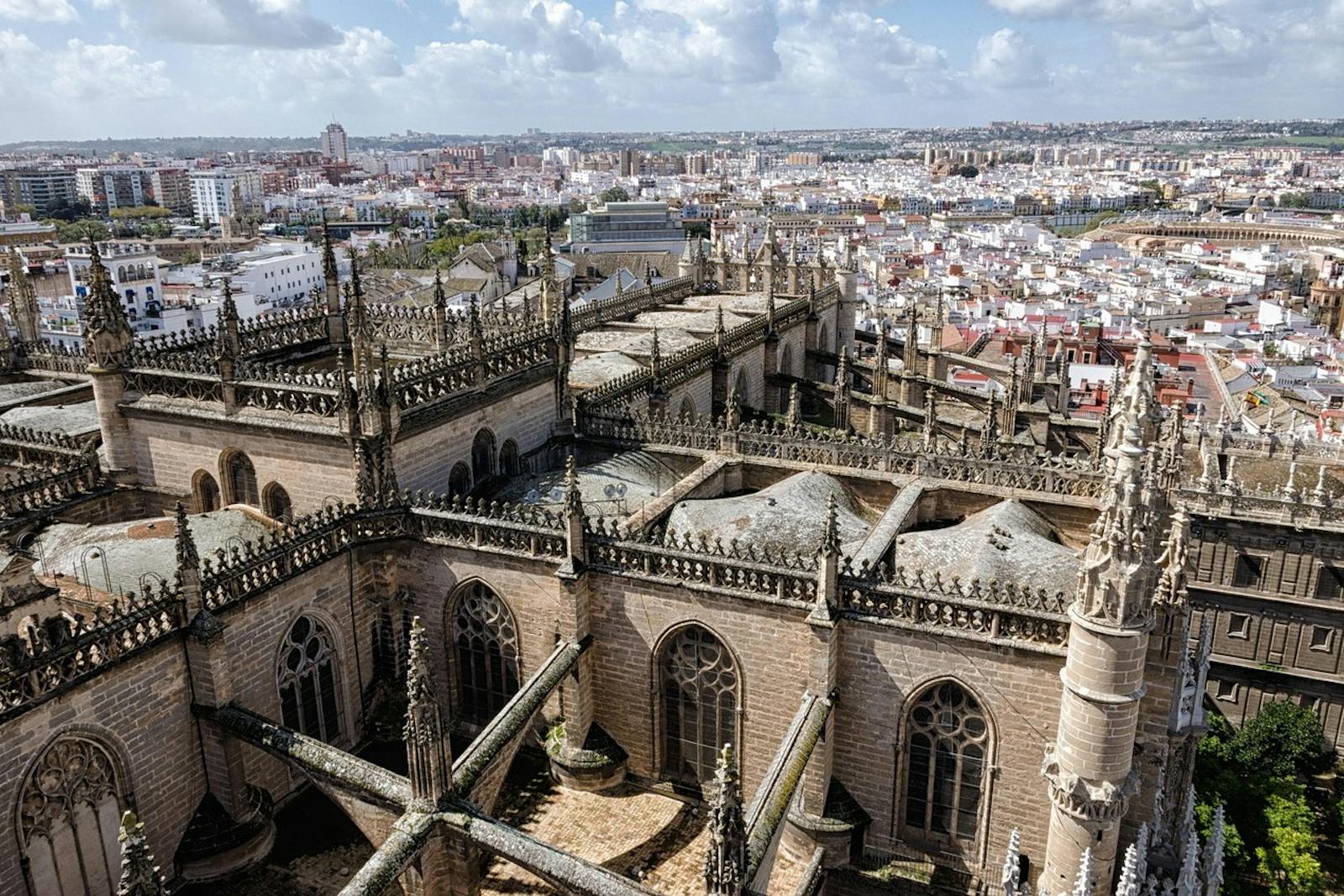
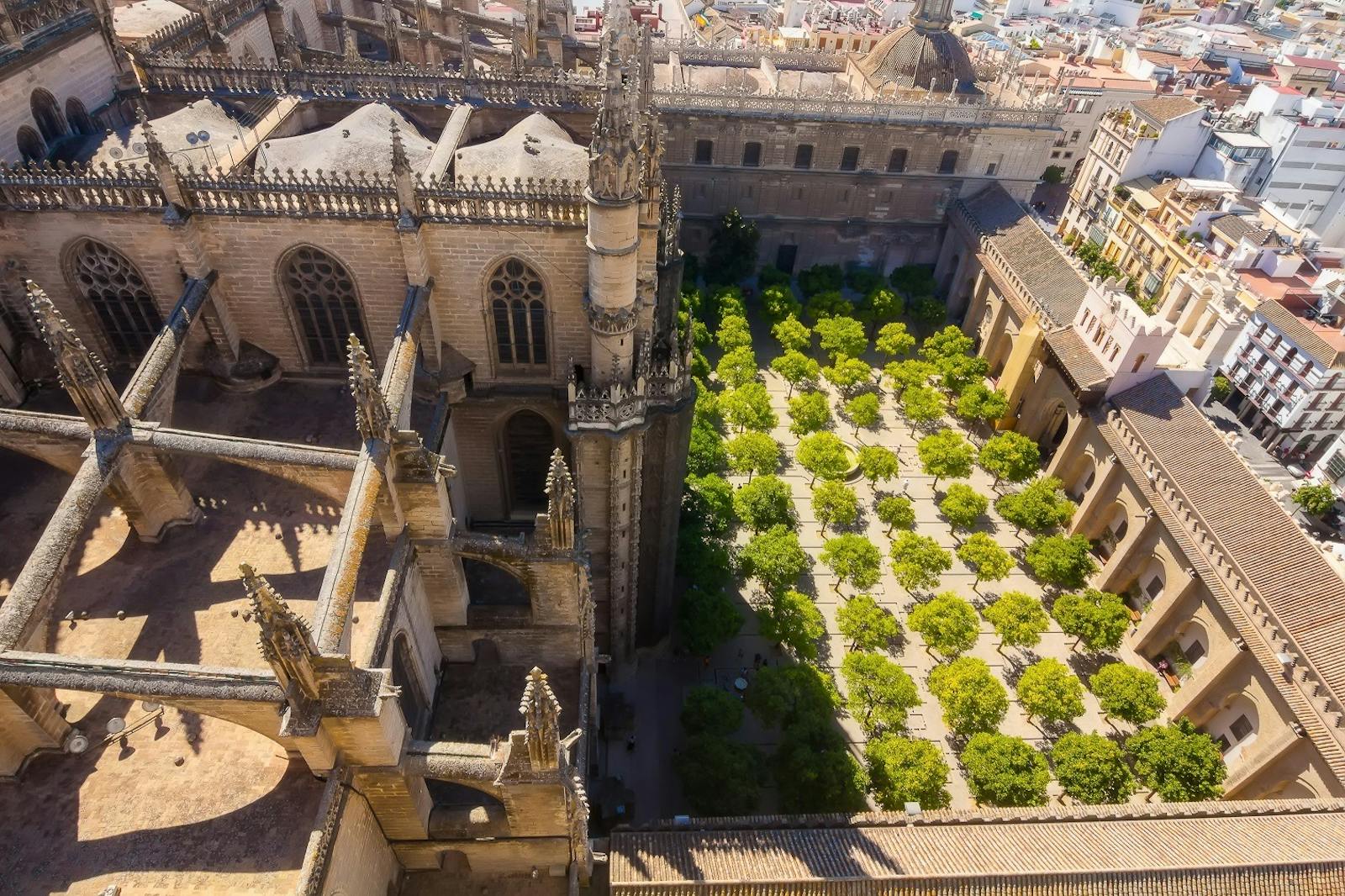
The climb to the top of the Giralda requires comfortable shoes due to the steep slope of the ramp. Although there are no vertical stairs, the incline can be tiring for some people with reduced mobility. Allow about twenty extra minutes for this panoramic ascent, which offers breathtaking views of the historic quarter and the Guadalquivir.
Respecting the religious dress code is mandatory: shoulders and knees must be covered to enter the sanctuary. This rule applies strictly to all visitors regardless of age or gender. Having a light garment to wear over your usual outfit will avoid any awkward refusal of entry and allow you to fully respect the sacred character of this active place of worship located in Seville.